

A Q&A with Lisa McCabe, PharmD, MBA, BSN, director of Health System Pharmacy at Cardinal Health.
A Q&A with Lisa McCabe, PharmD, MBA, BSN, director of Health System Pharmacy at Cardinal Health.

Most patients were not concerned about losing control over their disease after switching.

Study results outlined in a poster at ASHP Midyear 2023 revealed that virtual delivery education programs could contribute to a more inclusive and accessible health care information landscape for Black older adults.

These populations are also more likely to receive opioid analgesic therapies.
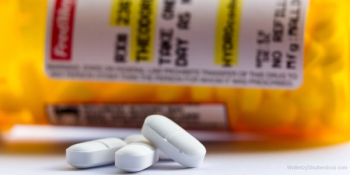
The CDC first released opioid prescribing guidelines in 2016.

Updated guidance from the United States Preventive Services Task Force advises against low-dose aspirin use as a primary prevention of atherosclerotic cardiovascular disease in certain populations who have bleeding risks.

A poster presented at ASHP Midyear 2023 highlighted the positive impact of including pharmacists in the care of postpartum women at risk of persistently elevated blood pressure (BP), particularly in cases of portopulmonary hypertension (PPHTN).

According to a poster abstract presented at the ASHP Midyear Clinical Meeting & Exhibition, specialty pharmacy services were used for a variety of conditions that have been reported in adult populations.

A poster from ASHP Midyear 2023 demonstrated the effectiveness of liposomal bupivacaine as it is used for cesarean section procedures, regarded as an area with increasing utilization.

According to a poster presented at ASHP Midyear 2023, stress ulcer prophylaxis (SUP) did not increase adverse effects, suggesting limited preventive benefits for gastrointestinal bleeding (GIB) in neonates.

Three poster presented at the ASHP Midyear Clinical Meeting delved deeper into perioperative pain management.

An evaluative study on an open resource Instagram page that provides information on new medications to pharmacists was recently presented at the American Society of Health-System Pharmacists 2023 Midyear Clinical Meeting and Exhibition.

When dealing with marginalized and underserved populations, it is important to understand barriers to care and why they exist.

With increasing use of telehealth, patients need access to resources that let them get the most out of the experience.

Social support and education may be the solution.

A group of pharmacists rose to the occasion to help a man having a medical emergency aboard a recent United flight bound for Newark, New Jersey.

The U.S. biosimilar landscape is changing, and legislation may be the key to controlling drug prices and advancing the market.

Cost savings were not associated with an increase in adverse drug events.

Knowledge gaps can make OTC medication recommendations for this population a challenge.

Low-income subsidies can eliminate much of the out-of-pocket costs that patients must pay.
Direct-to-consumer companies attract attention on social media, but are they as effective as traditional healthcare services?

Not every pharmacist may feel comfortable administering vaccines to children, but education could help.

Pharmacists can optimize medication adherence and serve as an additional touchpoint for patients during treatment.
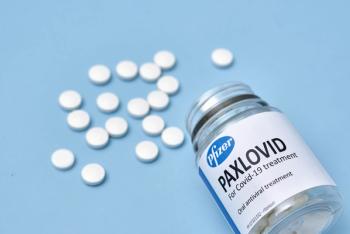
Two clinical pathways were created to manage patients and required resources.

Diabetes self-management education and diabetes prevention programs can improve patient outcomes including mental health and HbA1C.

Biosimilars have the potential to create immense savings.

Developing more advanced roles for pharmacy technician can reduce turnover in roles.

Faced with access problems, women could be positively impacted by pharmacists having prescribing powers in New York state.

Providing culturally competent care is one way pharmacists can help improve vaccine uptake in their communities.

Immunocompromised adults aged 19 years or older are eligible to receive the recombinant zoster vaccine.