





Cardiology
Latest News
Advertisement
Latest Videos

Shorts
0:40
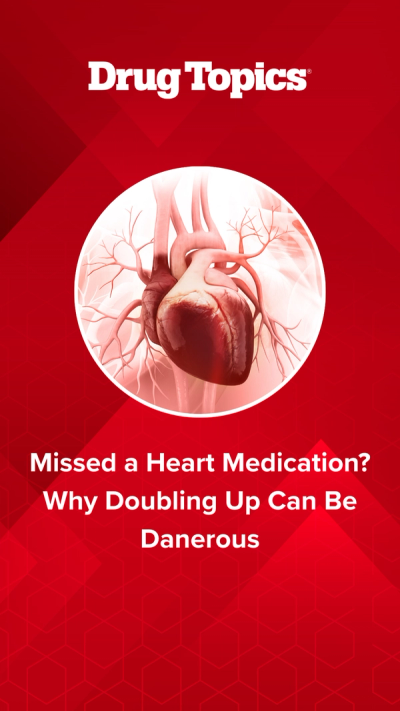
Missed a Heart Medication? Why Doubling Up Can Be Danerous
4 months ago
by
Ashley Gallagher, MA(+1 more)
CME Content

























Advertisement
More News
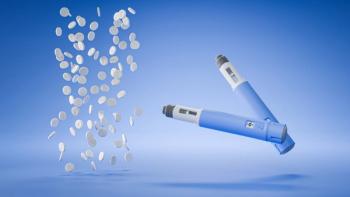
Real-world data show GLP-1 drugs in type 1 diabetes cut heart and kidney risks, support weight loss, and appear safe with insulin adjustments.

FDA approves Baxfendy, a new oral aldosterone blocker, to help hard-to-control hypertension.
Episode 10 explores recent guideline changes in clinicians’ management of dyslipidemia, highlighting much more than a few updated recommendations.

Through the lens of changes in medication adherence, researchers assessed differences in CVD-related emergency department visits and total cost of care.
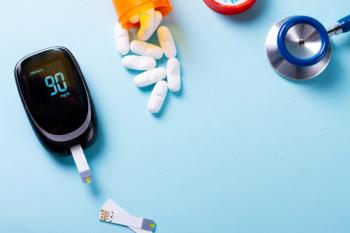
Non-high-density lipoprotein cholesterol matters in type 2 diabetes care and can be managed with statins, combination therapy, and omega‑3s.

Community pharmacists weave brief lifestyle coaching and point-of-care testing into medication management, improving diabetes and hypertension outcomes.

This study indicates that stopping the medication is noninferior to continuing it indefinitely in terms of preventing death, recurrent heart attacks, or hospitalizations.

This benefit was primarily driven by significant reductions in nonfatal heart attacks and the need for revascularization procedures.

The study demonstrated that providing a combination of produce prescriptions, dietitian coaching, and artificial intelligence-optimized encouragement led to improved cardiovascular outcomes.

These guidelines serve as a comprehensive guideline that prioritizes earlier intervention through lifestyle optimization and lower treatment targets for those at highest risk.

New study links basal‑prandial insulin to healthier remnant cholesterol in type 2 diabetes, spotlighting hidden cardiovascular risk beyond low-density lipoprotein and A1c.
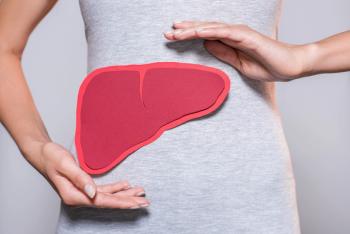
The health care landscape for metabolic liver disease is undergoing a shift, and pharmacists are being positioned at the forefront of this therapeutic revolution.
Episode 8 explores the real-world evidence, clinical trial data, and overall application of finerenone for pharmacists and their patients.
FDA expands lomitapide use to children 2 years and older, highlighting major low-density lipoprotein reductions.

Pharmacists help turn Food Is Medicine into covered care, linking heart patients to tailored meals, produce prescriptions, and easier chronic disease prevention.
In this episode, Natalie DiPietro Mager, PharmD, PhD, MPH, chats with Laney Poye, the director of marketing and communications at the Preeclampsia Foundation.

Phase 3 OCEANIC-STROKE shows asundexian cuts recurrent ischemic stroke by 26% on top of antiplatelets, without more major bleeding.

Real-world data shows empagliflozin cuts mortality in broader type 2 diabetes patients, supporting wider sodium-glucose co-transporter 2 inhibitor use with careful safety monitoring.

Pharmacogenomics enhances cardiometabolic disease management by personalizing medication based on genetic profiles, empowering pharmacists to optimize patient care.

Gestational diabetes significantly impacts postpartum cardiovascular health, especially in women over 35, highlighting the need for timely interventions.
Mavacamten shows promise in treating adolescent obstructive hypertrophic cardiomyopathy, significantly improving heart function and safety in a pivotal trial.
Episode 6 explores what pharmacists in the diabetes space need to know about outcomes data, safety, and when to escalate LDL-lowering therapy.

FDA approves etripamil nasal spray, offering a rapid, self-administered solution for adults with paroxysmal supraventricular tachycardia (PSVT).

In an exploration of key stakeholders’ perspectives, researchers assess a lifestyle intervention for cardiometabolic health among women during or after pregnancy.

Pharmacists play a crucial role in preventing cardiometabolic conditions through screenings, risk assessments, and lifestyle interventions, enhancing public health.
Advertisement
Advertisement
Trending on Drug Topics
1
Metformin Cuts Long COVID Risk by Half in New ACTIV-6 Trial Results
2
FDA Committee Votes Unanimously to Recommend mRNA Flu Vaccine
3
Tyson Drug Company: Med Sync and Adherence Are Their Formula for Success
4
Pharmacists Need Greater Support for Deprescribing Services
5