



Obesity Management
Latest News
Advertisement
Latest Videos



CME Content














Advertisement
More News
Seven major clinical trials reveal semaglutide’s expanding benefits beyond glucose control, showing promise in kidney, heart, liver, vascular, and obesity-related outcomes.
Researchers explored patients with type 1 diabetes and overweight or obesity to understand the efficacy and safety of GLP-1s as adjunctive therapies.

Researchers explored the prevalence of obesity-related complications and obesity medication use in US children and young adults with obesity.
Revita is a procedure that modifies duodenal dysfunction and restores metabolic health, according to Fractyl Health.
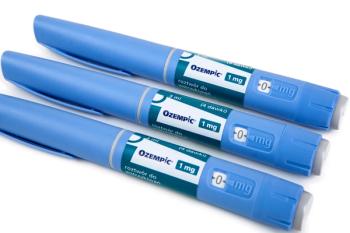
Pharmaceutical Strategies Group experts joined Drug Topics to discuss the role GLP-1s play in drug benefit design.

In a retrospective study of obesity-related mortality, researchers explored US death trends before, during, and after the COVID-19 pandemic.
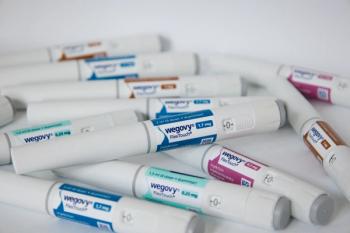
In a real-world, 6-month analysis, glucagon-like peptide-1 programs with obesity telemedicine behavioral programs resulted in benefits to weight loss and blood pressure.

The program will include branded obesity glucagon-like peptide-1 medications, which will have a transparent monthly cost.
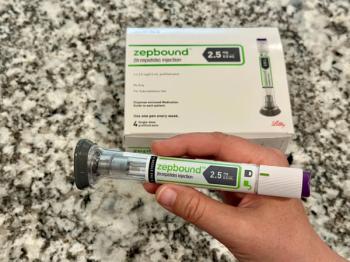
Providers can prescribe the 12.5 mg and 15 mg vials of tirzepatide starting July 7, with shipments beginning in early August.

Investigators find that patients with moderate weight loss or those who were weight resistant still had improvement in cardiometabolic health.
Investigators found that simvastatin added to escitalopram for patients with obesity and major depressive disorder did not have increased antidepressive effects.

Results from a phase 2 trial showed that semaglutide combined with trevogrumab, with or without garetosmab, helped patients preserve lean mass and achieve greater fat loss.

The data show a decrease in all-cause mortality for sustained midlife weight loss achieved without surgical or pharmacological interventions.
The new program aims to reduce costs for patients, with savings estimated at as much as $3600 per year.
Glucagon-like peptide-1 receptor agonists have been associated with improvements in quality of life (QOL), restrained eating, and emotional eating behavior.

Investigators report that patients experience weight loss with a reduced weekly dosage of the glucagon-like peptide-1 (GLP-1).
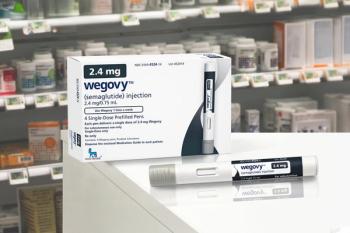
Semaglutide resulted in a significant reduction in the risk of MACE within the first 3 months of treatment compared to placebo.
Tirzepatide (Zepbound) demonstrated superiority compared to semaglutide (Wegovy) across the primary end point and 5 key secondary end points.

Patients often have anxiety about potential adverse effects, and experiencing adverse effects can affect patient adherence.
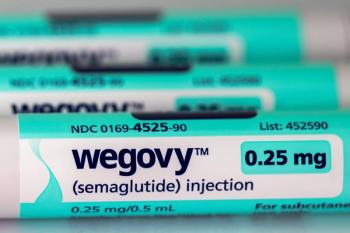
The nation’s largest PBM is placing Novo Nordisk’s premier weight-loss drug atop its formulary beginning July 1, 2025.
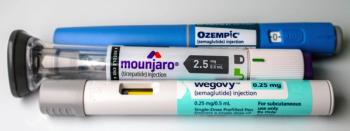
Although the market is expected to continue to become more popular, compounding pharmacies will no longer be allowed to manufacture these medications, as shortages have been listed as resolved.
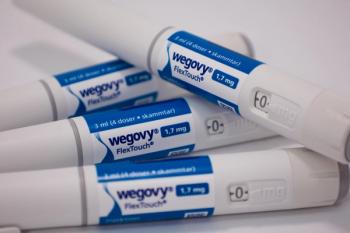
A conversation with Becky Davis, principal at Charles River Associates, at Asembia’s AXS25 Summit.
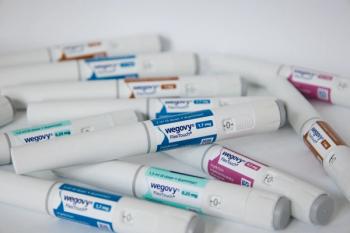
Glucagon-like peptide-1 medications are the fastest-growing class of medication and will continue to be prevalent as more indications, such as sleep apnea, are added.
In the first episode of the podcast, Jennifer Goldman and Hailey Choi discuss the latest FDA updates around compounded weight loss medications, clinical concerns and how pharmacists can protect their patients.

The authors emphasize the importance of multifaceted and team-based approaches to the management of diabetes.
Advertisement
Advertisement
Trending on Drug Topics
1
Addressing Depression Symptoms Can Significantly Improve Asthma Outcomes
2
President Trump Signs Sweeping, Unprecedented Federal PBM Reform
3
TrumpRx Officially Launches, Introduces Drug Prices
4
Q&A: PBMs, Community Pharmacy’s Next Move Following PBM Reform Signing
5