




















Federal regulators need to address potential policy changes that could affect primary care.
Federal regulators need to address potential policy changes that could affect primary care.

Viruses are known to precipitate autoimmune diseases, but the link between COVID-19 and autoimmune conditions requires additional research.
The updated vaccine schedule includes vaccinations for influenza, pneumococcal disease, measles, mumps, and rubella (MMR) and COVID-19.
XBB, a less severe but more contagious strain of COVID-19, has taken over as the dominant Omicron strain.
A 2021 morbidity study found that COVID-19 was among the leading causes of death in children and young people.
Vaccination greatly reduces the probability of experiencing severe COVID-19 in both variants. Adults between the ages of 40 to 59 years saw the most significant reduction in risk when compared to individuals in other age categories.
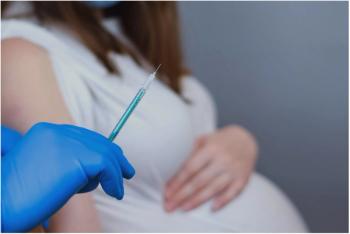
“Vaccination coverage among pregnant women remains a priority,” the researchers wrote.

The public health emergency, which was set to end April 11, and the national emergency, which was set to end March 1, will be ended on May 11 by the Biden administration.
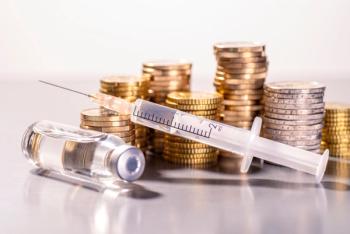
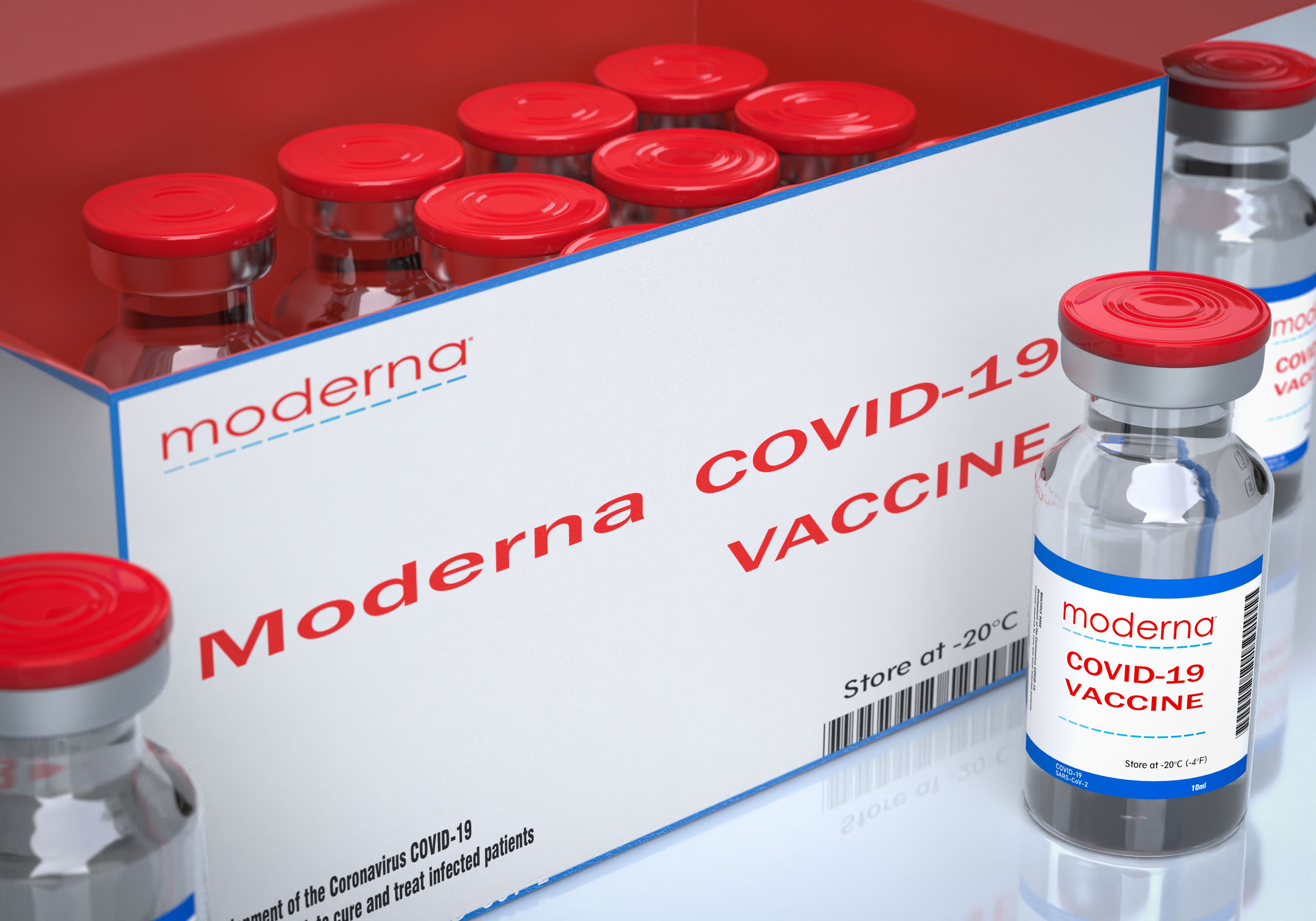
Pfizer Inc. and Moderna Inc. have indicated that they are going to price their shots at between $110 and $130. The shots should still be free to individuals because of rules barring out-of-pocket costs for such vaccinations.
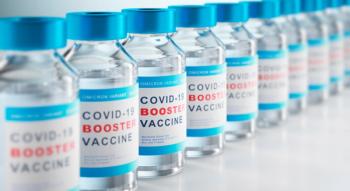
Though, unvaccinated people are at much greater risk for severe outcomes than folks the same age who are caught up on boosters.
Recommendations from the unanimous vote must be adopted by the FDA and CDC.

Investigators analyzed the proportion of individuals with 1 of 3 clusters of Long COVID symptoms.

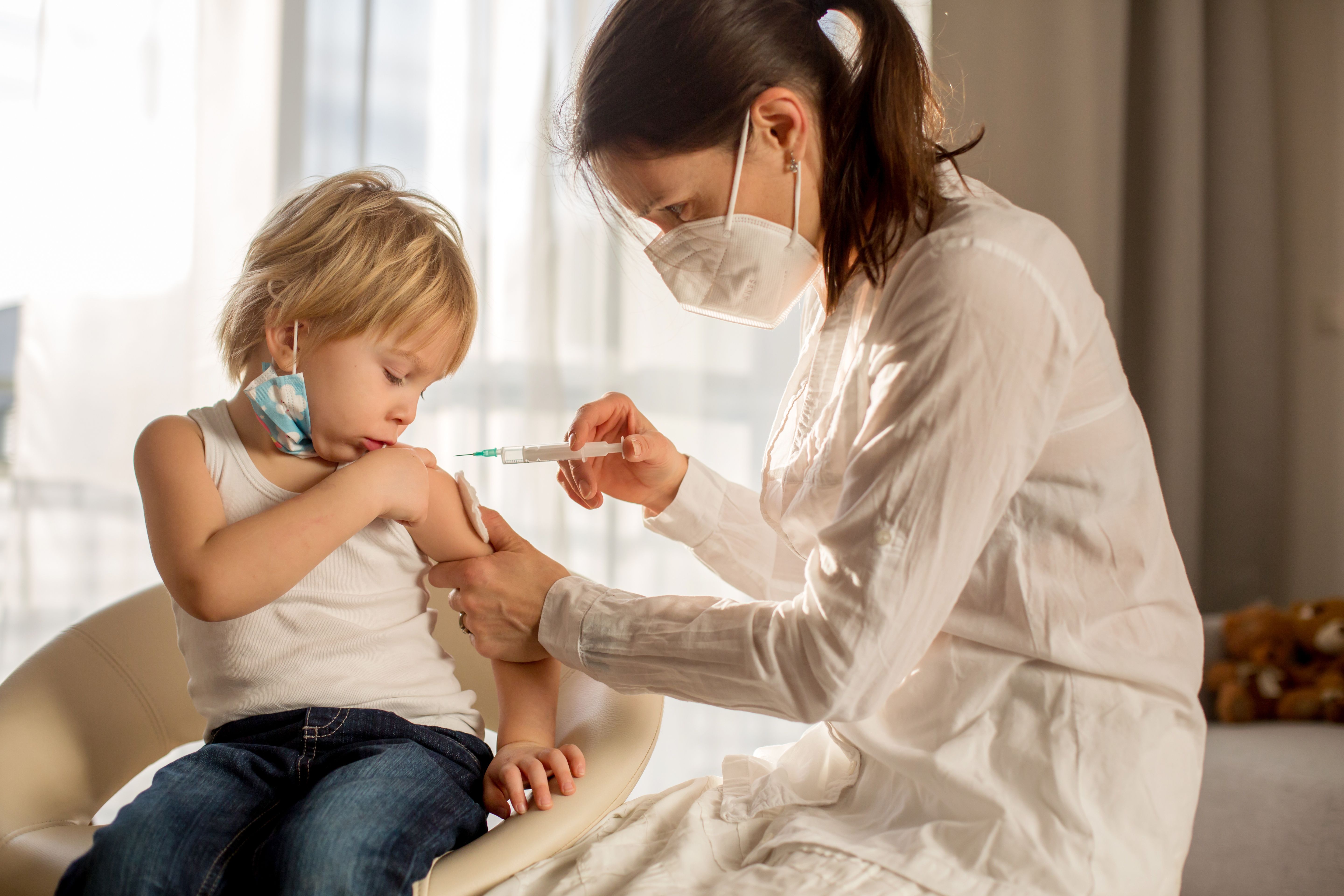
Childhood vaccinations took a downturn during the pandemic. Now is the time to get them done and pharmacists can help.
In the 3 cases documented by researchers, hepatitis B surface antigen (HBsAG) levels were reduced by more than 50% after Japan began its COVID-19 vaccination program.

Earlier results suggesting that fluvoxamine might be an effective treatment were from trials conducted earlier in the pandemic when vaccines weren’t available and other variants were circulating.
With the respiratory season in full swing and COVID-19 continuing to infect, knowing the basics of the common cold, influenza, COVID-19, and respiratory syncytial virus can help ensure patients get the right care.
Researchers at Cleveland Clinic evaluated whether a bivalent COVID-19 vaccine protects against both strains of the virus - the original virus strain and a component of the omicron variant.
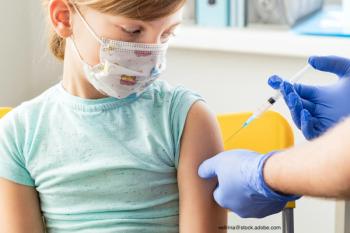
Patients with a history of multisystem inflammatory syndrome in children (MIS-C) completed a questionnaire about adverse reactions following COVID-19 vaccination, and no serious adverse events were recorded.
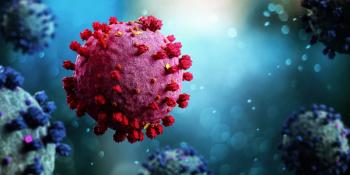
Dr. Syra Madad of the NYC hospital system and an Infectious Disease Epidemiologist at Harvard's Belfer Center for Science and International Affairs responded to Dr. Anthony Fauci's, director of NIAID, statement made in late November that the U.S. is “certainly” still in the middle of a Covid-19 pandemic.
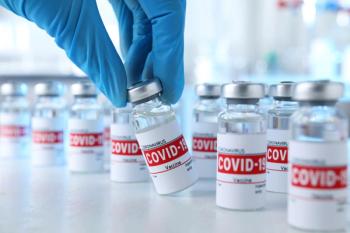
A recent analysis showed that vaccine-associated myopericarditis was rare in adolescents and young adults, and that outcomes were favorable.

This holiday season, share these tips to and avoid getting—and spreading—COVID-19.

Research tells a different story than recent news headlines.

Take a look back at our most popular respiratory coverage for 2022.
The COVID-19 vaccine rate for teenagers lags behind vaccination rates for adults. Does parental hesitancy for vaccines in general play a role?
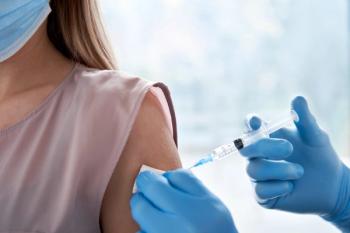
Vaccination program has also prevented more than 18 million hospitalizations, saved $1 trillion in medical costs.