






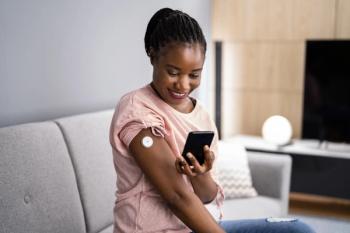
Researchers’ objective was to assess the short-term glycemic benefits of continuous glucose monitoring (CGM) systems compared with patients with type 1 diabetes (T1D) who self-monitor.
Researchers’ objective was to assess the short-term glycemic benefits of continuous glucose monitoring (CGM) systems compared with patients with type 1 diabetes (T1D) who self-monitor.
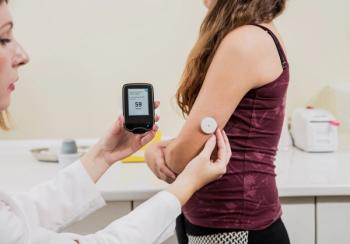
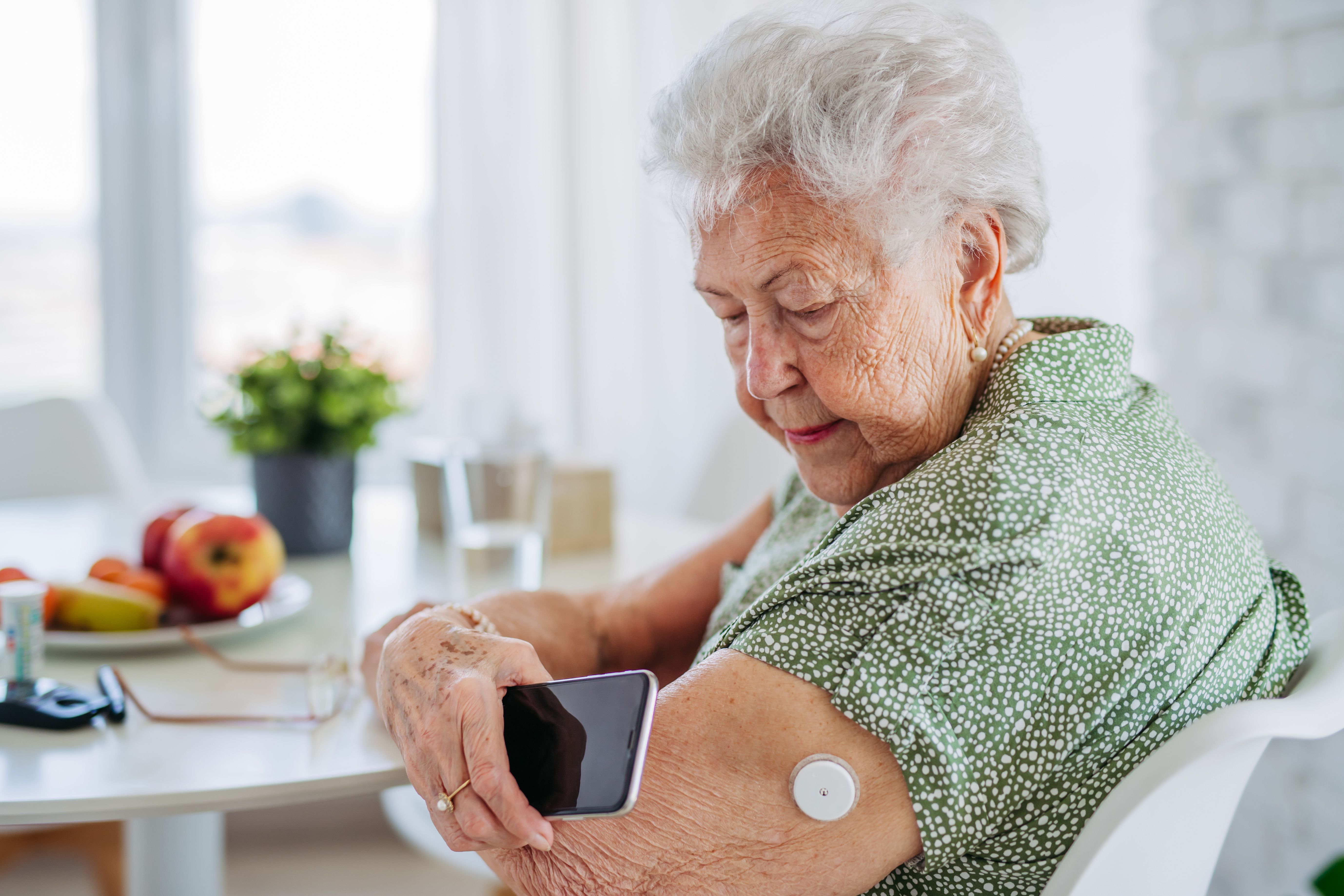
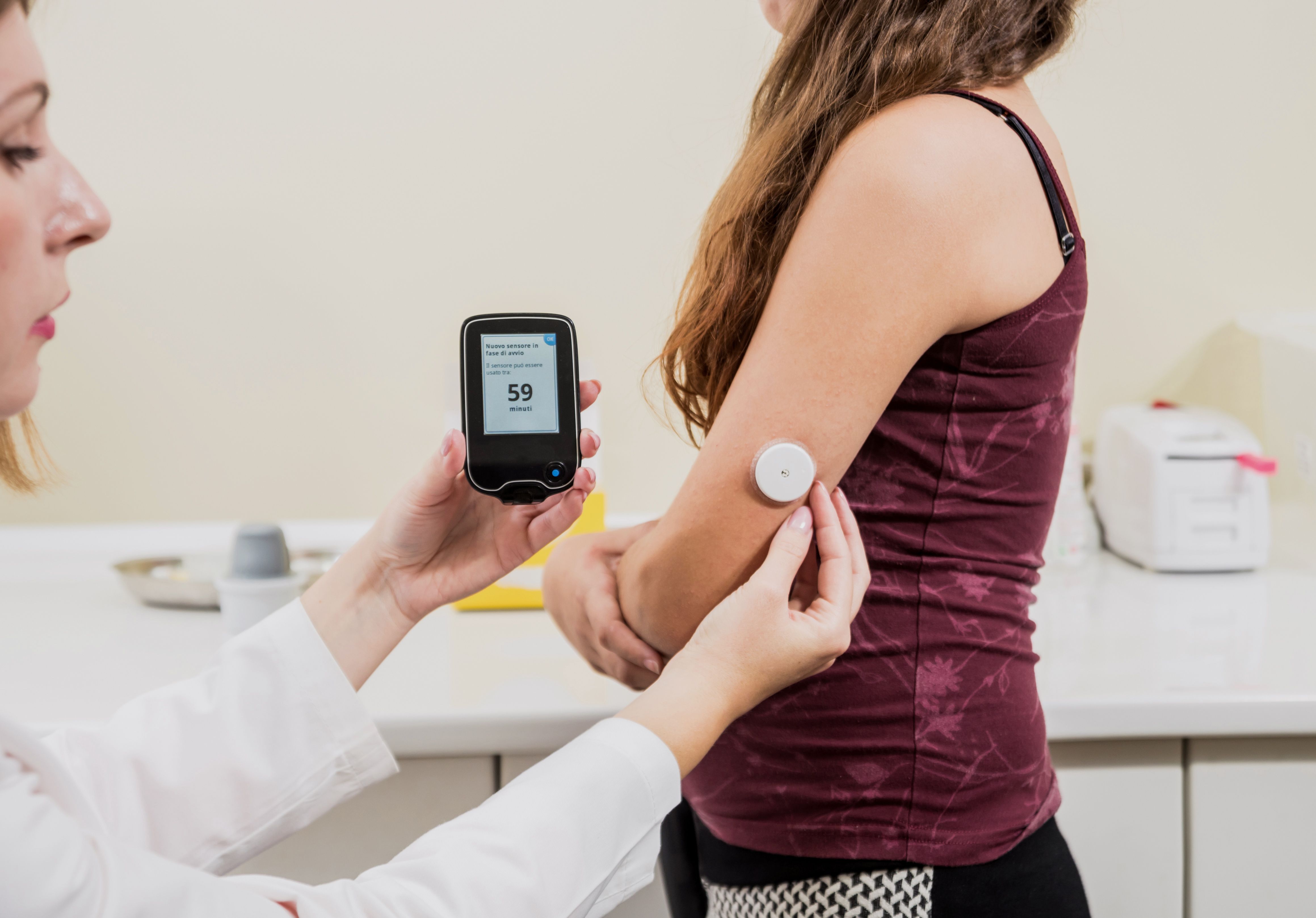
Although over 38 million people in the US have diabetes, continuous glucose monitor (CGM) uptake is low. Community pharmacists are uniquely positioned to promote uptake due to their frequent interactions with patients and expertise in chronic condition counseling.
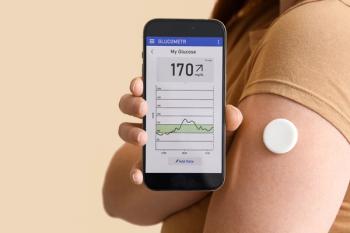
In a poster presented at the 2024 American Pharmacists Association Annual Meeting and Exposition, researchers addressed continuous glucose monitoring and its potential role in indigent communities.

Test your pharmacy news knowledge with our weekly quiz.

Dexcom's Stelo will be available in summer 2024.
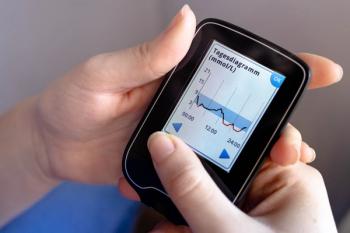
If approved, KnowU will become the world’s first non-invasive blood glucose monitor introduced to the global marketplace.
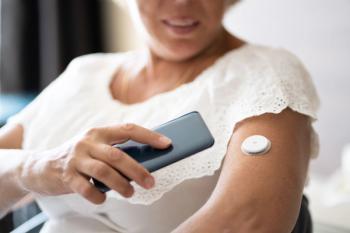
Many patients with the condition continue to experience severe hypoglycemic events even with the use of continuous glucose monitors and other disease management tools.
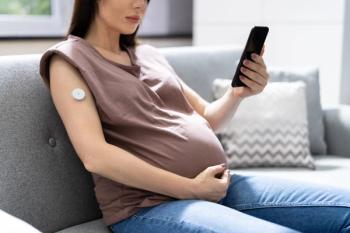
Despite previously suggested benchmarks, investigators found that spending less time-in-range (TIR) can still improve maternal and perinatal outcomes among pregnant patients with type 1 diabetes (T1D).

Although continous glucose monitors (CGMs) have often been tailored to patients with type 1 diabetes, data elicited by these technologies add value to the management of type 2 diabetes by offering insights into patients’ unique responses to food, activity, medications, and more.

Three posters being presented at the Society for Maternal-Fetal Medicine 44th Annual Pregnancy Meeting examined the impact of continuous glucose monitoring on pregnancy outcomes.
Real-time continuous glucose monitoring (CGM) demonstrated benefits associated with time in range, hypoglycemia, and hyperglycemia in patients with type 1 diabetes (T1D).
A Q&A with Kevin Malloy, PharmD, BCPS, on how diabetes technology has improved and how it can help pregnant people manage their disease.
A new study found that glucose monitoring devices can help significantly improve the sleep of both parents and children.
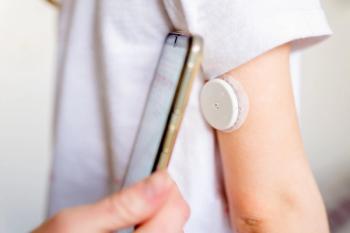
Increased health care access to devices like the continuous glucose monitor (CGM) could improve health outcomes for underserved patients who may otherwise be hindered from their use.
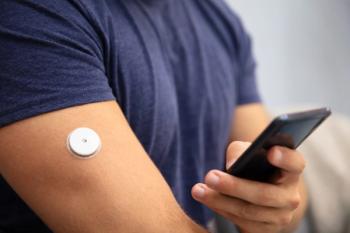
A new study found that over 90% of patients and providers said they found the continuous glucose monitoring useful.
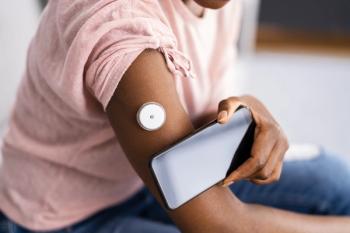
The OPTIMAL trial assessed the effects of continuous glucose monitoring compared with HbA1c-guided glycemic control on the progression of coronary atherosclerosis in patients with type 2 diabetes mellitus.
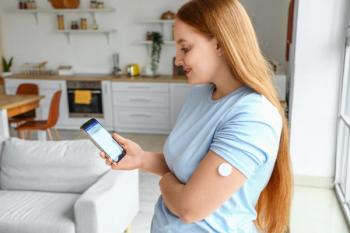
The use of continuous glucose monitoring may improve outcomes in patients with cystic fibrosis-related diabetes.
Researchers assessed the reproducibility of at-home CGM acquisitions with mixed meal tolerance tests among patients with CF-related diabetes who were not treated with insulin.
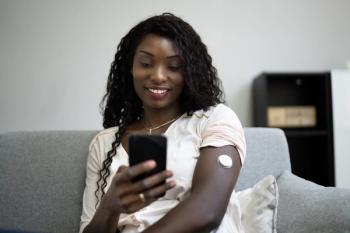
Patients with type 1 diabetes who use technologies for glycemic management may perceive these devices as important for glucose monitoring and emotion well-being, but affordability remains a significant barrier.
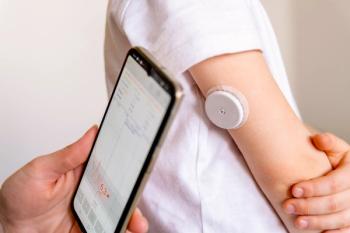
There has been growing evidence around the potential for the success of remote diabetes care and CGM technology use.
For noncritically ill hospitalized patients with diabetes, CGM is a reliable tool to improve glycemic control. However, more randomized studies are needed to assess these results in diverse populations.

Hybrid closed-loop insulin therapy adjusts insulin doses every 10 to 12 minutes by using a smartphone algorithm to communicate with continuous glucose monitoring devices and insulin pump systems.
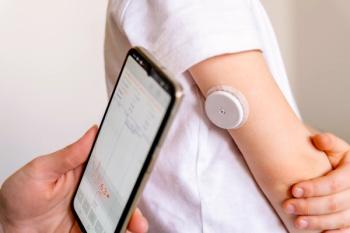
A new study found that participants reported improved glycemic control and improved quality of life with smartwatch-integrated, do-it-yourself continuous glucose monitoring.